
With the rise of GLP-1 receptor agonists like Ozempic, Wegovy, and Mounjaro in managing type 2 diabetes and supporting weight loss, it’s crucial to understand how nutrition can complement these medications. GLP-1 medications work by slowing gastric emptying, reducing appetite, and improving insulin sensitivity. But how can you ensure you’re nourishing your body while your appetite shifts? Let’s dive into some key nutrition strategies!
Prioritize Protein Intake
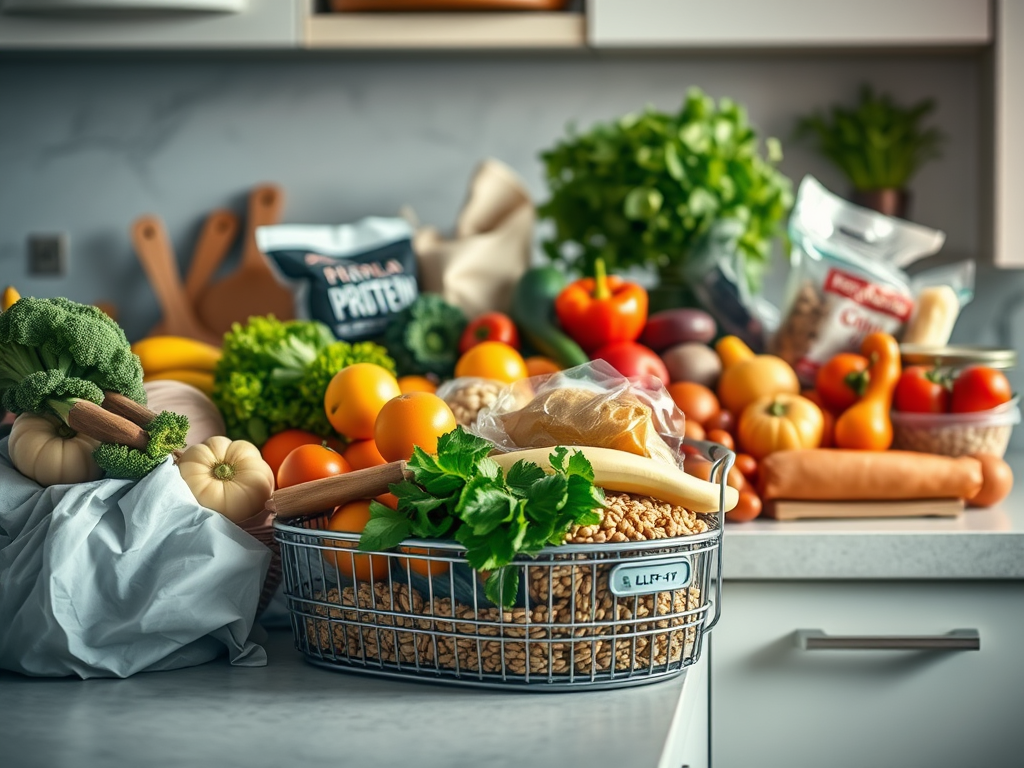
Protein is crucial in preserving lean muscle mass, which can otherwise be lost during periods of reduced food intake. Protein promotes satiety, by keeping you feeling fuller for longer periods of time. Aim to include a source of protein with every meal. Some great options include lean meats like chicken, fish, and turkey; eggs; Greek yogurt; legumes like lentils, beans, and chickpeas; and plant-based proteins like tofu, tempeh, and edamame. If you struggle to meet your protein needs through whole foods alone, consider adding a scoop of protein powder to your morning smoothie, yogurt, or oatmeal. Whey, pea, and hemp protein powders are popular options.
Manage Blood Sugar Stability
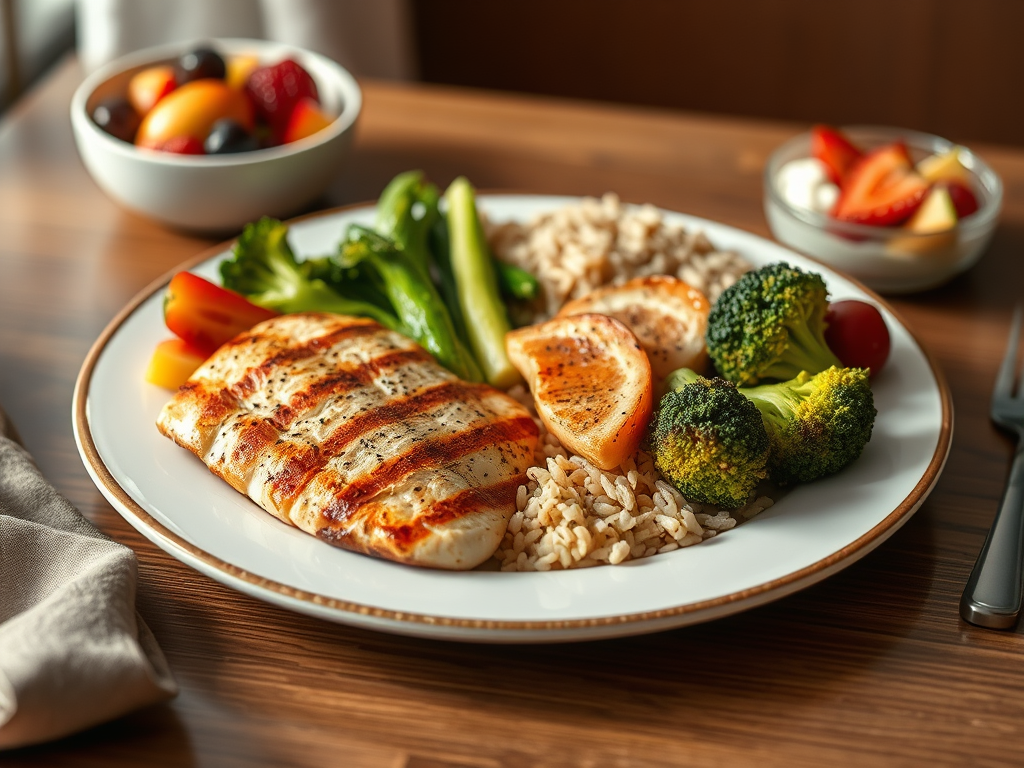
Blood sugar management with GLP-1 medications is essential for overall health and well-being, especially when taking GLP-1 medications. Fluctuations in blood sugar can lead to fatigue, irritability, and cravings. Balanced meals that include complex carbohydrates, lean protein, and healthy fats are key to blood sugar control. Carbohydrates provide energy, but the type and amount you choose matter. Opt for complex carbohydrates like whole grains, fruits, vegetables, and legumes, which contain fiber and are digested much slower, providing sustained energy. Pair carbohydrates with protein and healthy fats to further slow digestion and prevent blood sugar spikes and crashes. For example, a meal of grilled chicken breast (protein) with brown rice (complex carbohydrate) and roasted broccoli with olive oil (healthy fat) would be a balanced option. It’s best to avoid highly refined carbohydrates like white bread, pastries, and sugary drinks, which can cause rapid spikes and crashes in blood sugar.
Prevent Nutrient Deficiencies
When overall food intake is reduced, there’s an increased risk of nutrient deficiencies. This is especially true with GLP-1 medications, which can affect appetite and nutrient absorption. Certain nutrients, such as vitamin B12, iron, and electrolytes, are particularly important to monitor. Electrolyte balance for weight loss is also important. Vitamin B12 is crucial for nerve function and red blood cell production, and it’s primarily found in animal products. If you’re following a plant-based diet or eating less meat, consider B12-fortified foods or a supplement. Iron is essential for oxygen transport and energy production, and it’s found in both animal and plant sources. Leafy green vegetables, legumes, and whole grains are good sources of iron.
Electrolytes like sodium, potassium, and magnesium are important for hydration, nerve function, and muscle contraction. These are found in a variety of foods, including fruits, vegetables, and dairy products. To prevent nutrient deficiencies, focus on nutrient-dense foods like fruits, vegetables, whole grains, lean proteins, and healthy fats. Limit highly processed foods, which are often low in nutrients and high in unhealthy ingredients. If you’re concerned about nutrient deficiencies, consider periodic lab tests to monitor your nutrient levels.
Support Gut Health
GLP-1 medications can slow digestion and lead to gastrointestinal side effects like nausea and constipation. Supporting gut health is crucial for overall well-being and can help manage these side effects. Fiber plays a key role in gut health by promoting regular bowel movements, preventing constipation, and supporting a healthy balance of gut bacteria. Aim to include fiber-rich foods in every meal and snack. The best fiber sources for digestion include fruits, vegetables, whole grains, legumes, nuts, and seeds. Probiotics are live bacteria that are beneficial for gut health. They can be found in fermented foods like yogurt, kefir, sauerkraut, kimchi, and kombucha, or taken as a supplement.
Staying hydrated is also important for gut health. Aim to drink plenty of water throughout the day. If you’re experiencing persistent gut issues, talk to your doctor or a nutrition professional. They can help identify the cause and recommend appropriate treatment, which may include dietary changes or other interventions.
Meal Timing and Portion Control
GLP-1 medications can delay gastric emptying, which is the process of food moving from the stomach to the small intestine. This can lead to feelings of fullness and discomfort after eating, especially after large meals. Adjusting your meal timing and portion size can help manage these effects and optimize nutrient absorption. Instead of three large meals, try eating smaller, more frequent meals throughout the day. This can help prevent feeling overly full and allow for better digestion.
Mindful eating practices can also be beneficial. Take your time to chew thoroughly and savor each bite. This can help promote better digestion and improve your awareness of hunger and fullness cues. Listen to your body and eat until you’re comfortably satisfied, not stuffed. If you’re struggling with portion control, consider using smaller plates and bowls, measuring your food, or tracking your intake with a food diary. Consulting with a nutrition professional can also be helpful. They can provide personalized guidance on meal timing and portion sizes.
Managing side effects of GLP-1 medications
- Nausea: Combat nausea by opting for smaller, more frequent meals that are easy to digest. Foods like plain crackers, rice, toast, and applesauce can be soothing to the stomach. Peppermint tea or candies can help alleviate nausea. Ginger tea or ginger ale may have a similar effect. It’s crucial to avoid high-fat, greasy, or spicy foods, as these can worsen nausea.
- Constipation: Counteract constipation by increasing your fiber intake. Incorporate plenty of fruits, vegetables, and whole grains into your diet. Excellent sources of fiber include avocado, berries, oatmeal, broccoli, Brussels sprouts, beans, lentils, and whole-wheat bread. Remember to stay well-hydrated by drinking plenty of water throughout the day, as this helps soften stool and promotes regular bowel movements. If needed, consider incorporating magnesium-rich foods into your diet, such as nuts, seeds, and dark leafy greens. Magnesium can act as a natural laxative and help relieve constipation. For women, the recommended daily fiber intake is approximately 25 grams, while men typically require around 30-35 grams.
- Loss of Appetite: When experiencing a loss of appetite, focus on consuming nutrient-dense foods that provide essential vitamins, minerals, and calories. Smoothies can be a convenient and nutritious option. Blend together fruits, vegetables, protein powder, and healthy fats like avocado or nut butter for a balanced meal in a glass. Other options include soups, stews, yogurt, and protein-rich snacks like eggs, nuts, and cheese. If you’re struggling to eat solid foods, try incorporating liquid meals or nutritional supplements to ensure you’re meeting your body’s needs.
- Remember to consult with a healthcare professional or registered dietitian for personalized dietary advice and recommendations. They can help you create a tailored nutrition plan to manage side effects and optimize your overall well-being.
Conclusion
Balancing nutrition while on GLP-1 medications is all about being mindful of your body’s changing needs. Emphasizing protein, managing blood sugar, and supporting gut health can make a difference. Remember, your nutrition plan should be personalized, so collaborating with a healthcare provider or nutrition professional can optimize your journey.
Have you noticed changes in appetite or digestion while using GLP-1s? Share your experiences below—we’d love to hear from you!
GLP-1 diet recommendations and other resources
 Sky Therapeutics
One response to “Nutrition Strategies for GLP-1 Medications”
[…] more about Nutrition Strategies for GLP-1 Medications and 6 Meal-Planning Mistakes Sabotaging Your […]